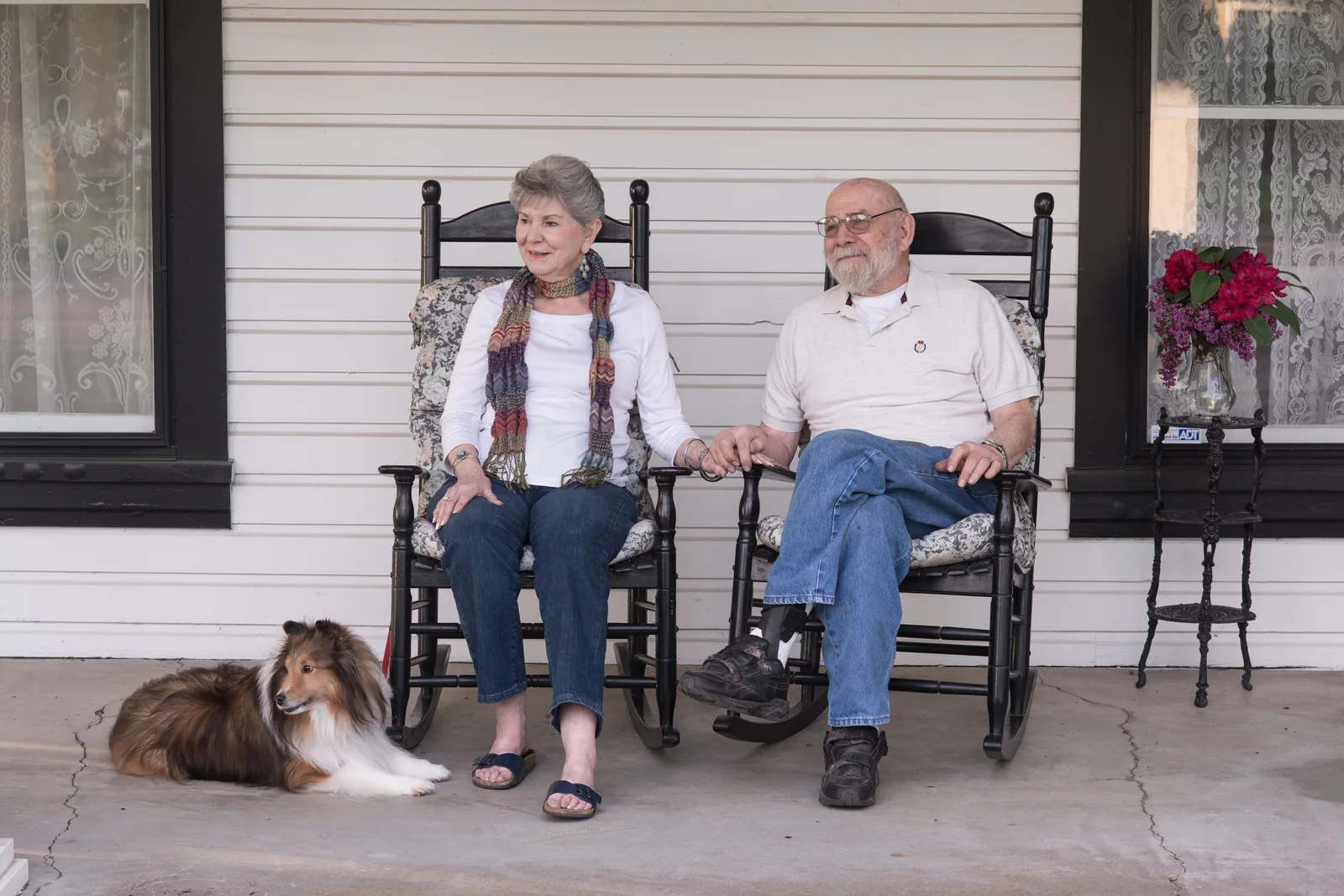
Why the conversation matters
Most family conflict after a death comes from surprise, not greed. When people understand what was decided and why, they are far more likely to accept it. A conversation now also tells you whether the people you plan to name are willing to serve.

If you are the parent
- Pick a calm setting, not a holiday dinner with everyone at the table.
- Start with the why: you want to make things easier for them.
- Share who you have chosen for each role and where documents are kept. You do not have to share dollar amounts.
- If you are treating children differently, explain your reasoning in person or in a letter.
If you are the adult child
- Lead with care, not property: "If something happened, I would want to know what you would want."
- Ask about health care wishes first. It is often the easier door to open.
- Offer to help organize documents rather than asking what you will inherit.
- Be patient. It may take more than one conversation.
Questions to cover
- Do you have a will or trust, and when was it last updated?
- Who have you named to make medical and financial decisions?
- Where are the originals, and who has keys or passwords?
- What are your wishes for care if you can no longer live alone?
- Is there land, a business, or an heirloom with a story we should know?
This guide is general education about Texas estate planning, not legal advice for your situation.